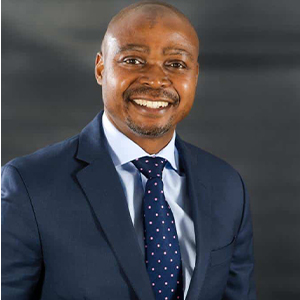
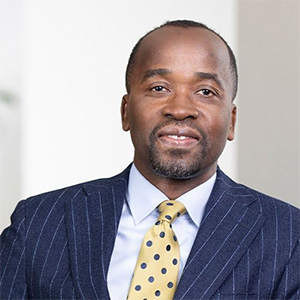
Meet our Executive Chairman Strive Masiyiwa:
Strive Masiyiwa is the Founder and Executive Chairman of Cassava Technologies which is built from the strong performance and track record of Econet, one of the pioneers of the mobile telecoms industry in Africa. Strive Masiyiwa set out more than 20 years ago to bring connectivity to Africa. He went on to build Africa’s largest independent fibre network, totaling more than 100,000 kilometers. The business has now grown to an entire ecosystem of digital solutions designed to bring technology to the people and businesses who need it.
Originally from Zimbabwe, Masiyiwa left the country in 2000, and is based in London. Masiyiwa serves on several international boards including Unilever Plc, Netflix, National Geographic Society, and the Global Advisory boards of Bank of America, the Council on Foreign Relations (in the US), Stanford University, the Bloomberg New Economy Forum, and the Prince of Wales Trust for Africa. Masiyiwa is the only African member of the US Holocaust Memorial Museum’s Committee on Conscience.
In May 2020 Masiyiwa was appointed to serve as an African Union Special Envoy to help coordinate Africa’s private sector efforts to procure medical supplies and fight the spread of COVID-19. As Special Envoy he also heads up the Africa Vaccine Acquisition Task Team. He led a similar private-sector initiative to fight Ebola in West Africa in 2014-2015.
Masiyiwa served on the African Union Reform Task Force led by President Kagame that led to the breakthrough of the African Continental Free Trade Area and the creation of the SMART Africa digital transformation initiative. Together with Melinda Gates and Hon Sri Mulyani, Minister of Finance of Indonesia, he served as co-chair of the Pathways for Prosperity Commission for Technology and Inclusive Development, headquartered at Oxford University
A board member of the Rockefeller Foundation for 15 years as one of its long-serving members, Masiyiwa is a co-founder, with Kofi Annan, The Rockefeller Foundation, and the Bill and Melinda Gates Foundation, of an initiative to help 400m African smallholder farmers known as the Alliance for a Green Revolution in Africa. He then became its second chairman after Kofi Annan, and since stepping down, has continued to serve as Chairman Emeritus. He was honored for this work with the Norman Borlaug World Food Prize Medallion.
Masiyiwa was a co-founder with Richard Branson of the Carbon War Room and the B-Team. He is a founding member of the Global Business Coalition on Education. He previously chaired the Micronutrient Initiative of Canada. He served on the UN Global Commission for Adaptation focusing on climate change challenges, and on the jury of the Hilton Humanitarian Prize. At the invitation of the United Nations Secretary-General, Masiyiwa has served on two UN Commissions: Financing Global Education Opportunities and Sustainable Energy for All.
As a philanthropist, Masiyiwa is a member of the Giving Pledge. In 1996 he and his wife Tsitsi, co-founded what is now known as the Higherlife Foundation which has supported the education of over 250,000 orphaned, vulnerable, and gifted children across Africa, as well as health, disaster relief, and preparedness, and rural transformation programs in conjunction with Delta Philanthropies.
Since 2013 Masiyiwa has devoted his time to mentoring the next generation of African entrepreneurs through his Facebook page, which has a growing followership of 5.8+ million young people. For several years, Facebook identified his platform as having the most engaged following of any business leader in the world. Other awards and recognition include:
- 1990 — Zimbabwean Businessman of the Year Award (youngest ever recipient)
- 1998 — Zimbabwean Manager and Entrepreneur of the Year Award
- 1999 — Junior Chamber International (JCI), Ten Most Outstanding Young Persons of the World
- 2002 — Times Global Business Influencers List
- 2003 — CNN/Time Magazine Poll, 15 Global Influencers of the Year
- 2010 — Builder of the Modern Africa Awards
- 2011 — Forbes Magazine, 20 Most Powerful Business People in African Business
- 2011 — Times of London, 25 Leaders of Africa’s Renaissance Award
- 2012 — Invited by President Barack Obama to attend G-8 Summit at Camp David
- 2014 — World’s 50 Greatest Leaders, Fortune Magazine
- 2015 — Forbes Magazine, 10 Most Powerful Men in Africa list
- 2015 — Freedom Award, International Rescue Committee
- 2015 — UN Foundation Global Leadership Award for Africa Against Ebola Solidarity Trust
- 2017 — World 50 Greatest Leaders, Fortune Magazine
- 2018 — Points of Light Award
- 2019 — Norman Borlaug World Food Prize Medallion
- 2019 — New African Magazine, 100 Most Influential Africans
- 2019 — 9th Annual International Peace Lecture Laureate, Leah & Desmond Tutu Legacy Foundation
- 2020 — Inducted as JA Worldwide Global Business Hall of Fame Laureate
- 2020 — Bloomberg’s 50 Most Influential People in the World
- 2020 — New African Magazine, 100 Most Influential Africans
- 2020 — Mail & Guardian Continental Edition, 100 Africans of the Year
- 2021 — Fortune Magazine, World’s 50 Greatest Leaders
An honorary fellow of the African Academy of Sciences, Masiyiwa has received honorary doctorates from Morehouse College, Yale University, Nelson Mandela University and the University of Cardiff where he received his BSc in electrical engineering in 1984.